

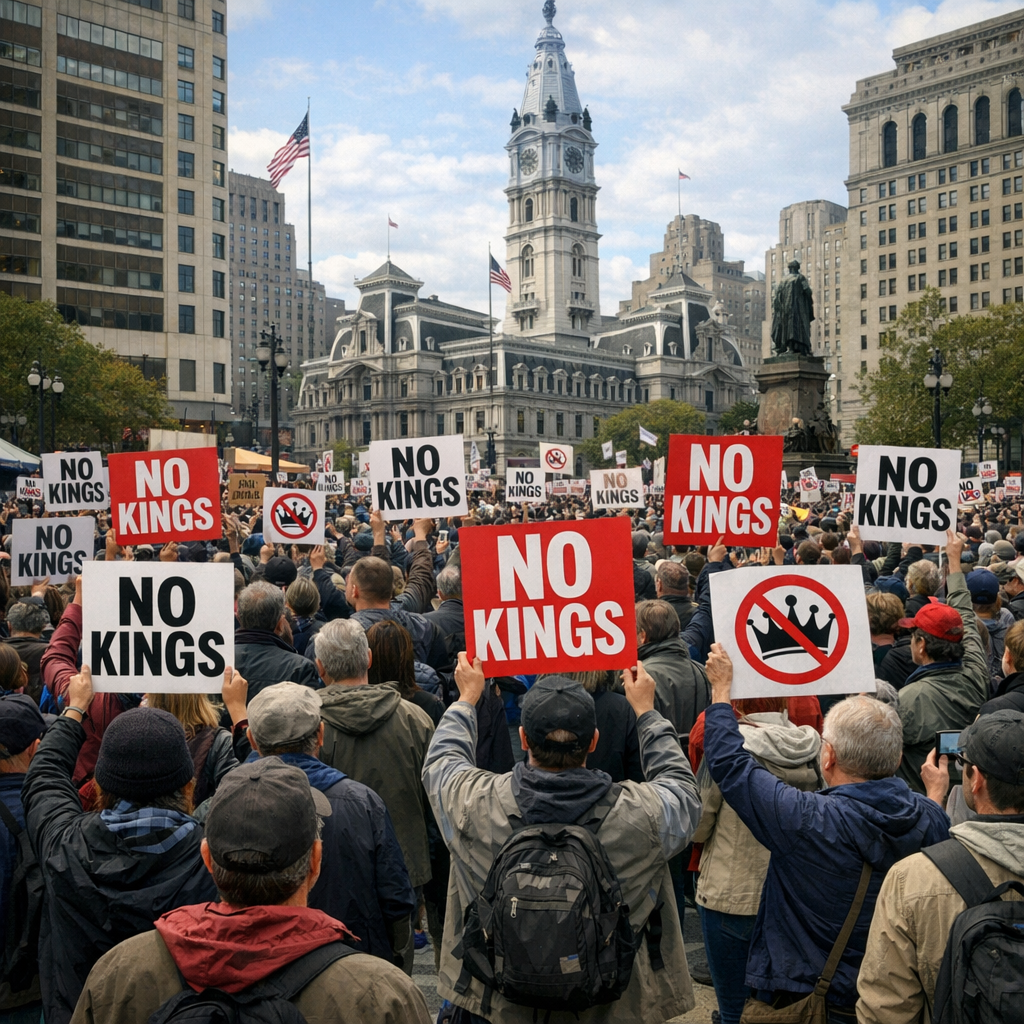
In recent months, the United States has witnessed a surge in ‘No Kings’ rallies, a series of nationwide demonstrations advocating for the preservation of democratic values and opposing perceived authoritarian tendencies in government. These events have drawn millions of participants from diverse backgrounds, reflecting a collective commitment to the principles upon which the nation was founded.
Origins and Objectives of the ‘No Kings’ Movement
The ‘No Kings’ movement emerged as a grassroots response to concerns over executive overreach and the erosion of democratic norms. Organizers emphasize the importance of checks and balances, transparency, and accountability in governance. The rallies serve as a platform for citizens to voice their commitment to these principles and to call for policies that uphold the Constitution.
Nationwide Participation and Key Events
From bustling metropolises to small towns, ‘No Kings’ rallies have taken place across all 50 states. Notably, Minnesota’s Capitol lawn in St. Paul hosted a flagship event featuring performances by Bruce Springsteen and speeches from various activists and political figures. These gatherings have been marked by peaceful demonstrations, artistic expressions, and community engagement, underscoring the movement’s widespread appeal.
Implications for Local Communities
While the ‘No Kings’ movement operates on a national scale, its impact resonates within local communities. Residents of Copper Mountain, Colorado, and similar towns are reminded of the significance of civic participation and the role of local governance in upholding democratic values. The movement encourages individuals to engage in dialogues about governance, policy-making, and the future direction of the country.
Looking Ahead
As the ‘No Kings’ movement continues to gain momentum, it highlights the enduring importance of democratic engagement and the collective responsibility of citizens to safeguard their rights and freedoms. The movement serves as a testament to the power of peaceful assembly and the enduring spirit of democracy in the United States.