

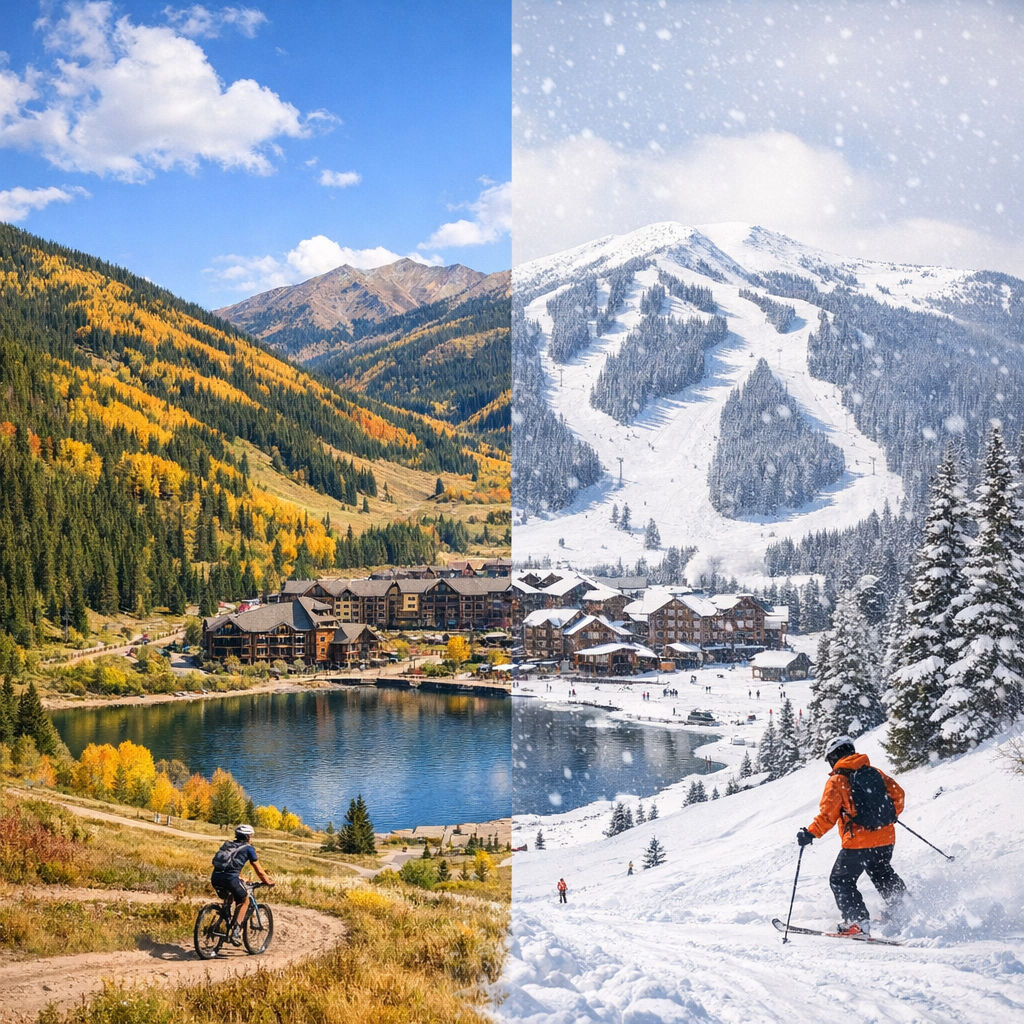
Copper Mountain, nestled in the heart of Colorado’s Rockies, offers a climate as dynamic as its terrain. Understanding these patterns is essential for both residents and visitors to make the most of what each season has to offer.
Seasonal Temperature Variations
Throughout the year, Copper Mountain experiences significant temperature fluctuations. In the peak of summer, July, average high temperatures reach around 65°F (18°C), while winter months like January see average highs near 30°F (-1°C). Nighttime temperatures can drop significantly, with January lows averaging around 9°F (-13°C). This substantial diurnal range is characteristic of the region’s high-altitude environment.
Precipitation and Snowfall
Annual precipitation at Copper Mountain averages approximately 25.9 inches (657.86 mm), with snowfall being a significant contributor during the winter months. The resort receives an average annual snowfall of about 299 inches (774 cm), providing ample opportunities for winter sports enthusiasts. Notably, March tends to be the snowiest month, often bringing substantial snowfalls that enhance the late-season skiing experience.
Summer Monsoon Season
During mid-July through August, Copper Mountain experiences the North American Monsoon, characterized by increased moisture and afternoon thunderstorms. This period brings a shift from the typically dry conditions to more humid weather, with frequent afternoon showers and thunderstorms. Visitors during this time should be prepared for sudden weather changes and plan outdoor activities accordingly.
Altitude Considerations
At an elevation of approximately 9,712 feet (2,946 meters) at the base and reaching up to 12,441 feet (3,792 meters) at the summit, Copper Mountain’s high altitude significantly influences its climate. The thinner atmosphere results in more intense solar radiation, leading to warmer daytime temperatures and cooler nights. Additionally, visitors may experience altitude-related effects such as dehydration or altitude sickness and should take appropriate precautions, including staying hydrated and acclimating gradually.
Environmental Impacts and Adaptations
The unique climate of Copper Mountain has shaped the local ecosystem and recreational opportunities. The substantial snowfall supports a thriving winter sports industry, while the summer monsoon contributes to the lush alpine environment. However, these conditions also require residents and visitors to adapt, whether by preparing for rapid weather changes or by implementing measures to mitigate altitude-related health effects.
By understanding and respecting Copper Mountain’s distinctive climate patterns, individuals can safely and enjoyably experience all that this remarkable region has to offer.