

The global ski industry is undergoing significant transformations due to climate change and economic pressures. Resorts worldwide are adapting to these challenges, with varying degrees of success.
Climate Change and Snow Reliability
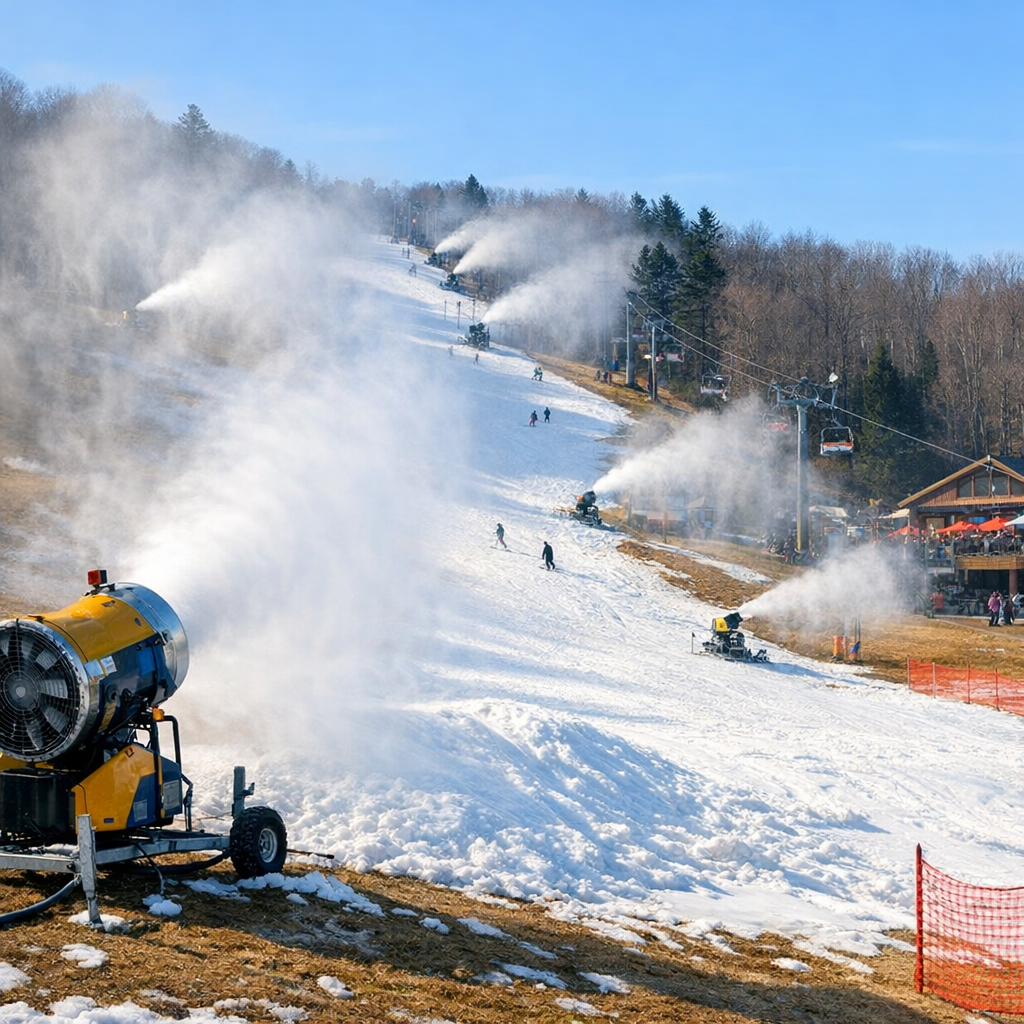
Rising temperatures and unpredictable snowfall are shortening ski seasons and reducing snow reliability. Studies indicate that Alpine snow cover has declined sharply, with some regions experiencing a decrease of over 5% per decade. This trend threatens the viability of lower-elevation resorts, which may become increasingly dependent on artificial snowmaking. However, snowmaking is resource-intensive, requiring vast amounts of water and electricity, and may not be sustainable in the long term.
Economic Impacts and Adaptation Strategies
The economic impact of these environmental changes is substantial. In the United States, the ski industry has faced annual losses averaging $252 million due to shortened seasons and decreased snowfall. To mitigate these effects, resorts are investing in snowmaking technologies, diversifying their offerings to include year-round activities, and implementing sustainable practices to reduce their environmental footprint.
Global Collaboration and Future Outlook
Recognizing the need for collective action, industry leaders have convened summits to address climate challenges. Discussions focus on assessing climate impacts and developing coordinated responses across the winter sports ecosystem. While adaptation measures are being implemented, the long-term sustainability of the ski industry will depend on global efforts to combat climate change and the industry’s commitment to innovation and environmental stewardship.