

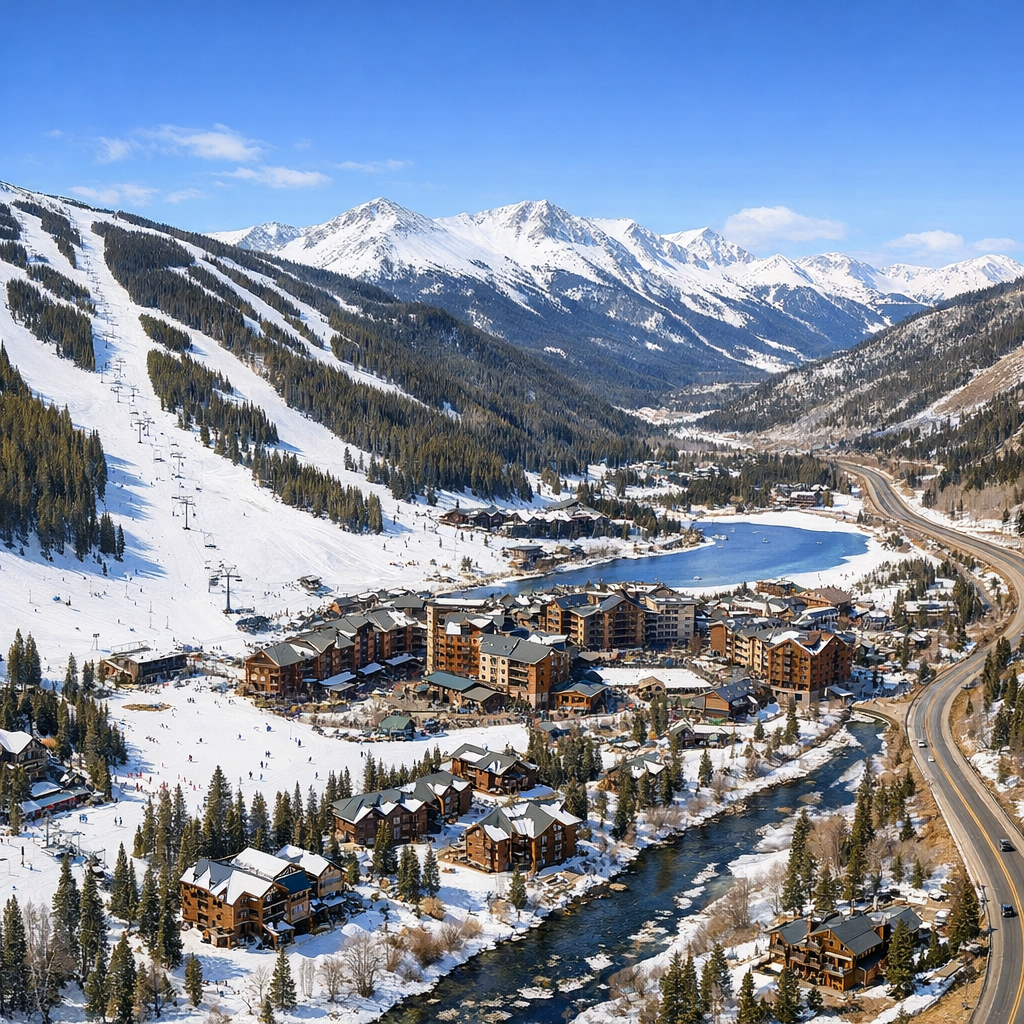
Copper Mountain, Colorado, renowned for its world-class ski resort and vibrant community, is experiencing notable shifts in its economic landscape. As the community adapts to evolving trends, understanding these changes is crucial for residents and local businesses alike.
Population and Employment Trends
Recent data indicates a slight decline in Copper Mountain’s population, with projections estimating a decrease from 321 residents in 2023 to 304 by 2025. This trend reflects broader demographic shifts affecting many mountain communities. Despite the population decrease, employment has seen a significant uptick. Between 2023 and 2024, employment grew by 40.7%, increasing from 226 to 318 employees. The predominant sectors driving this growth include arts, entertainment, recreation, finance, insurance, and educational services. Notably, the arts and entertainment sector employs 235 individuals, underscoring the community’s strong ties to the tourism and recreation industries.
Real Estate and Housing Market
The real estate market in Copper Mountain remains robust, characterized by high demand and limited inventory. Single-family homes in East Village, particularly those adjacent to the golf course, are priced around $3 million, while slopeside properties in West Village can reach nearly $6 million. Condominiums, ranging from contemporary 1970s builds to modern constructions, are priced between $500,000 for one-bedroom units to over $1 million for three-bedroom units. The rapid turnover of properties, sometimes within a single day, highlights the market’s competitiveness and the desirability of the area.
Short-Term Rentals and Tourism
Tourism continues to be a cornerstone of Copper Mountain’s economy. Short-term rental data reveals that Airbnb hosts earn an average annual income of approximately $39,064, with an average nightly rate of $544. However, the occupancy rate stands at 29.2%, indicating a selective market where profitability hinges on strategic pricing and property management. The average booking lead time of 78 days suggests that visitors plan their stays well in advance, reflecting the destination’s appeal as a vacation spot.
Community Services and Infrastructure
The Copper Mountain Consolidated Metropolitan District (CMCMD) plays a pivotal role in supporting the community’s infrastructure. CMCMD provides essential services such as water and sanitation, television and internet, and collaborates with local partners to enhance emergency services and community projects. Their mission focuses on protecting public and environmental health, maintaining the community’s vitality, and fostering sustainable economic growth.
Conclusion
As Copper Mountain navigates these economic transitions, the community’s resilience and adaptability remain evident. The interplay between population dynamics, employment growth, real estate trends, and tourism underscores the need for strategic planning and community engagement to ensure sustainable development. By leveraging its strengths and addressing emerging challenges, Copper Mountain is well-positioned to thrive in the evolving economic landscape.